
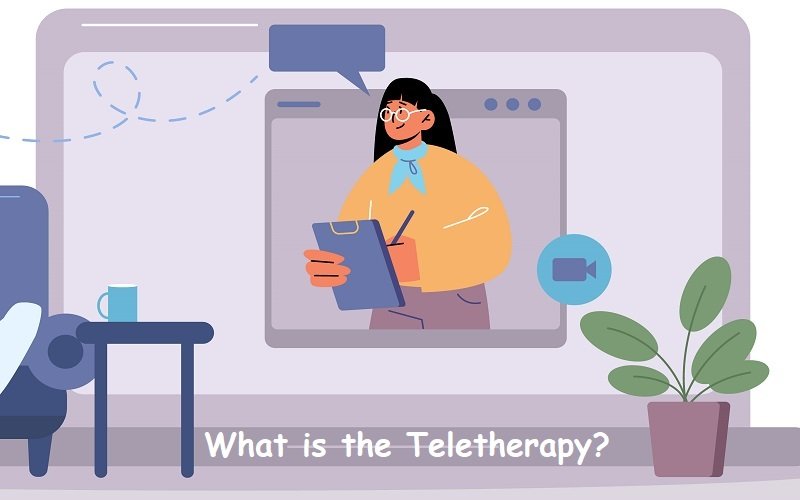
As the digital age continues to reshape every aspect of our lives, mental health services have also transitioned into the virtual realm. Teletherapy, the remote delivery of psychological support and counseling via communication technology, has burgeoned in response to a growing need for accessible mental healthcare.
Its benefits are multifaceted, extending from the convenience of online sessions to the comfort of receiving help in one’s own environment. Keep reading to gain insights into how teletherapy is revolutionizing mental health care and offering a lifeline to those who might otherwise go without such critical services.
Understanding Teletherapy and Its Rise in Popularity
Teletherapy, sometimes referred to as telepsychology or online therapy, utilizes video conferencing, phone calls, and messaging to conduct therapy sessions. Its rise in popularity is a testament to our changing lifestyles, where digital solutions are often sought for their efficiency and immediacy. This form of therapy transcends the traditional constraints of in-person appointments and aligns with contemporary communication preferences.
Seeking psychological care can be daunting, but teletherapy offers a level of discretion and ease that eases this process. The COVID-19 pandemic significantly accelerated the adoption of telehealth services as restrictions necessitated the adoption of remote support. Now, practitioners and patients alike have recognized the value it brings beyond pandemic-related constraints.
Insurance companies have responded to this shift by expanding coverage for teletherapy services, which in turn, further validates its effectiveness and reliability. The growing number of professional portals offering teletherapy Washington DC and beyond is clear evidence of its entrenchment in the healthcare landscape.
How Teletherapy Offers Flexibility and Work-Life Balance
The balance between personal responsibilities and work obligations can be delicate, and teletherapy services play a pivotal role in helping maintain this equilibrium. By removing the commute to a therapist’s office, clients regain valuable time that can be repurposed for self-care or spent with loved ones. This flexibility enhances the overall quality of life and reduces the stress associated with juggling numerous commitments.
In today’s fast-paced environment, the ability to engage in therapy from the comfort of home or a private office can significantly reduce scheduling conflicts. It enables professionals to fit mental health care into their workday without the stigma or inconvenience of leaving the workplace.
For freelancers and remote workers, teletherapy aligns perfectly with the fluidity of their work life. They rely on digital platforms for their livelihoods, and integrating mental health services through the same medium creates a seamless transition that aligns with their digital-centric routines.
Teletherapy’s Contribution to Patient Privacy and Comfort
Privacy concerns can be a significant deterrent for individuals contemplating therapy. The discretion provided by teletherapy alleviates these fears, as clients can seek treatment without the potential discomfort of visiting a therapist’s office publicly. It promotes a sense of safety and confidentiality that is fundamental for effective therapy.
The comfort of one’s own surroundings cannot be discounted when exploring the advantages of teletherapy. Engaging in difficult conversations and emotional work is often easier when situated in a familiar and secure environment. This element of personal space fosters openness and vulnerability, cornerstones of therapeutic progress.
Moreover, the reduction of social pressure and anxiety about being seen in a therapeutic setting can be particularly beneficial for individuals with social anxieties or phobias. Teletherapy allows them to bypass these stressors, which might otherwise impede their willingness to seek help.
Overcoming Geographic and Mobility Barriers With Teletherapy
One of the most profound benefits of teletherapy is its capacity to transcend geographic barriers. Individuals living in rural areas or regions with a shortage of mental health professionals can access quality care that might have previously been out of reach. This equalizing factor is critical in addressing the urban-rural divide in mental health services.
Teletherapy also addresses the challenges faced by individuals with mobility issues. Whether due to physical disability, injury, or age-related constraints, the ability to receive therapy from anywhere removes the physical limitations that can discourage or prevent in-person treatment. This inclusivity underscores the broader commitment to accessible healthcare for all communities.
Furthermore, it offers a lifeline to expatriates and travelers who wish to maintain continuity in therapy while abroad. The consistent presence of a therapist, even across borders, can be a stabilizing force during the transitions that come with international living or extended travel for work.
Wrap-Up
The integration of teletherapy into mental health care is a significant advancement that benefits clients, therapists, and society. It enhances access, convenience, and comfort while addressing essential issues of privacy, work-life balance, and the removal of geographic limitations. As we continue to embrace the digital transformation in healthcare, teletherapy stands out as a pivotal component in the evolution of mental well-being resources.